Introduction
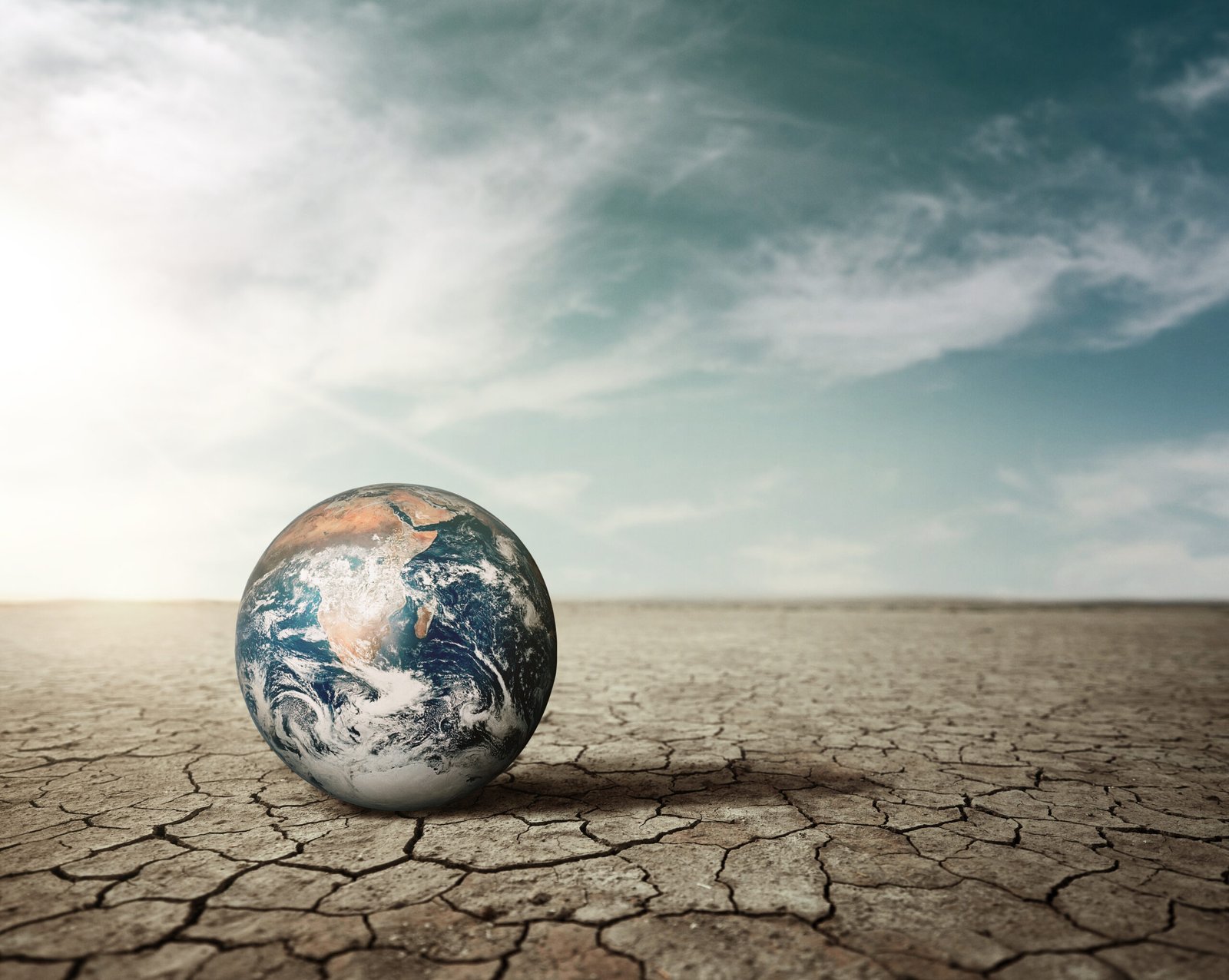
Climate change is no longer a distant threat; it is a present reality. Rising global temperatures, unpredictable weather, and melting ice caps show how serious the situation has become. The focus keyword here, climate change, is one of the most pressing challenges of our time. Understanding its causes, effects, and solutions is essential for a sustainable future.
What is Climate Change?
Climate change refers to long-term shifts in temperatures and weather patterns. While natural processes can influence the climate, today’s rapid change is largely caused by human activity. The burning of fossil fuels, deforestation, and industrial growth release greenhouse gases that trap heat in the atmosphere
Causes of Climate Change
Greenhouse Gas Emissions – Carbon dioxide, methane, and nitrous oxide from industries and vehicles are the main contributors.
Deforestation – Cutting down forests reduces the Earth’s ability to absorb carbon dioxide.
Industrialization – Rapid economic development increases energy consumption, leading to higher emissions.
Agricultural Practices – Large-scale farming, livestock production, and use of fertilizers release harmful gases.
Global Impacts of Climate Change
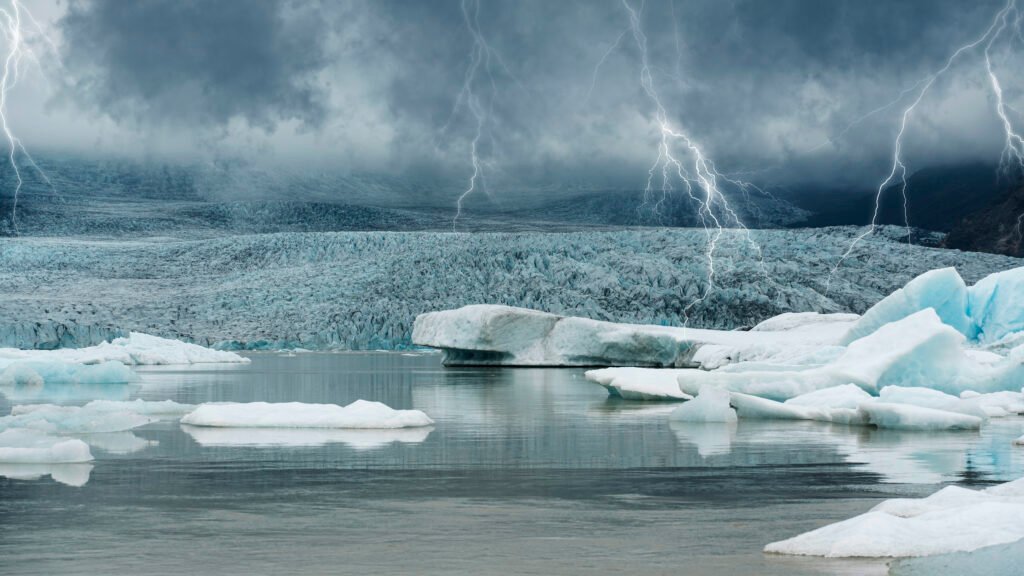
Rising Sea Levels – Melting glaciers and ice caps are increasing sea levels, threatening coastal areas.
Extreme Weather Events – Hurricanes, floods, and heatwaves are becoming more frequent and severe.
Threat to Biodiversity – Many species are at risk due to habitat destruction and changing ecosystems.
Health Risks – Climate change contributes to the spread of diseases, food shortages, and water scarcity.
Economic Challenges – Agriculture, tourism, and infrastructure face damages that affect global economies.
Climate Change and Human Life
Climate change affects everyone. Farmers face crop failures, families lose homes to floods, and cities suffer from air pollution. It is not just an environmental issue but also a social and economic one.
Renewable Energy
Shifting towards solar and wind power is one of the most effective solutions. As we discussed in our blog on Renewable Energy Companies, investing in clean energy reduces greenhouse gases and ensures long-term sustainability.Agriculture & Organic Farming
Agriculture is also deeply impacted by rising temperatures. Adopting eco-friendly farming practices, as highlighted in our Agriculture & Organic Farming blog, can reduce emissions while protecting soil health.
Solutions to Climate Change
Renewable Energy – Solar, wind, and hydropower reduce dependency on fossil fuels. (Internal link to Renewable Energy Companies blog)
Sustainable Agriculture – Organic farming and eco-friendly methods protect the soil and reduce emissions. (Internal link to Agriculture & Organic Farming blog)
Afforestation – Planting more trees helps absorb carbon dioxide.
Eco-Friendly Transport – Using electric vehicles, carpooling, and public transport reduce emissions.
Global Cooperation – Governments, NGOs, and individuals must work together to create impactful policies.
The Role of International Organizations
Organizations like the United Nations Climate Change and NASA are actively monitoring and addressing the crisis. Their research and policies guide countries toward sustainability and adaptation.
Why Awareness Matters
Education and awareness about climate change empower people to take action. Small steps, like reducing plastic use or saving electricity, collectively create a big impact.
Conclusion
Climate change is not a challenge of the future—it is a crisis of the present. Its effects are seen across the globe, from melting ice to rising seas. However, solutions exist, and with collective action, humanity can move toward a sustainable future. Fighting climate change requires awareness, responsibility, and cooperation from every individual, organization, and government.