




What is Wearable Tech in Healthcare?
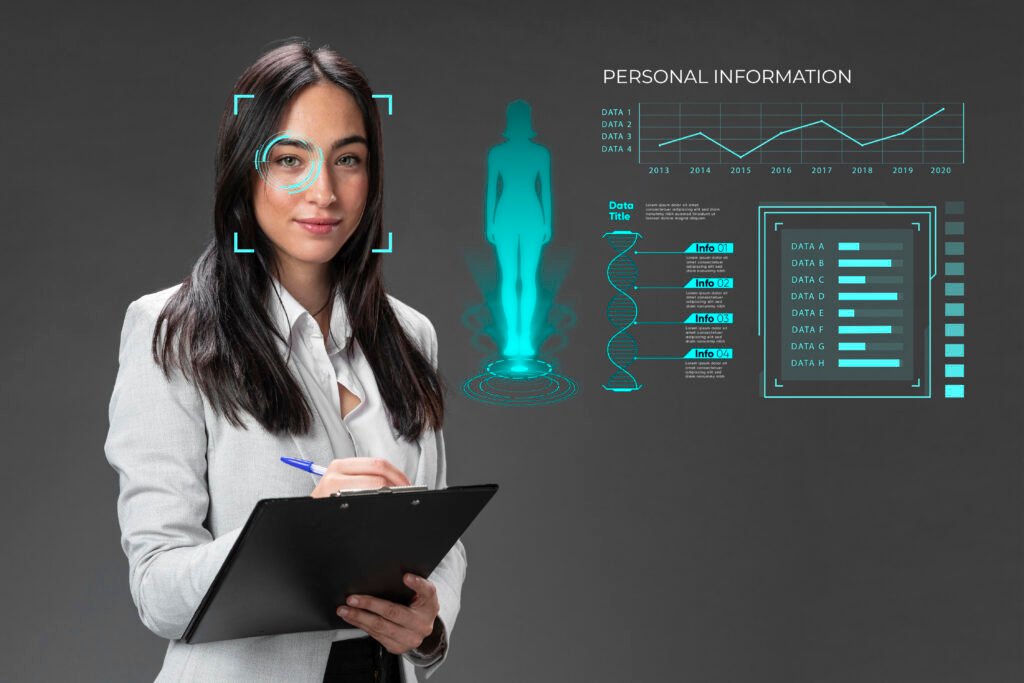
Wearable technology refers to electronic devices designed to be worn on the body. They collect and transmit health-related data using built-in sensors. These devices can range from fitness trackers that count steps to advanced biosensors that monitor heart rhythms or blood sugar levels.
Wearables are now part of everyday life. Many people wear smartwatches, not just to tell the time but to track their sleep quality, oxygen levels, and exercise goals. For patients, wearable devices act like a 24/7 companion, keeping doctors informed without frequent hospital visits.
For global standards on digital health, check out the World Health Organization’s Digital Health Guidelines.
Why Wearable Tech Matters in Modern Healthcare
Empowers Patients – Instead of relying only on occasional check-ups, individuals can monitor their health daily.
Supports Preventive Care – Detecting warning signs early prevents serious illnesses.
Reduces Healthcare Costs – Fewer hospital visits and admissions mean less financial strain.
Improves Remote Care – Doctors can analyze patient data during telemedicine consultations.
Encourages Healthy Habits – Reminders for hydration, walking, or medication promote wellness.
Examples of Wearable Healthcare Devices
1. Smartwatches & Fitness Bands
Devices like Apple Watch, Fitbit, and Samsung Galaxy Watch track heart rate, calories burned, and even stress levels. Advanced versions can also send emergency alerts if the wearer falls or has an irregular heartbeat.
2. Continuous Glucose Monitors (CGMs)
A major breakthrough for diabetic patients, CGMs provide real-time blood sugar levels. They reduce the need for frequent finger pricks and alert users when glucose levels are dangerously high or low.
3. Wearable ECG Monitors
Devices such as KardiaMobile can detect irregular heart rhythms like atrial fibrillation. Many hospitals are adopting these to reduce stroke risks.
4. Smart Clothing
From T-shirts that measure breathing patterns to socks that detect circulation issues, smart textiles are redefining patient monitoring.
5. Wearable VR & AR Devices
Virtual reality headsets are being used for mental health therapy, meditation, and even pain management, providing patients with drug-free treatment options.
Benefits of Wearable Tech in Healthcare
Real-Time Monitoring – Instant updates allow quick decisions in emergencies.
Chronic Disease Management – Diabetes, heart disease, and hypertension patients benefit most.
Data-Driven Insights – Doctors can track long-term patterns rather than relying on one-time tests.
Fitness and Wellness Support – Wearables help people stay motivated in their fitness journey.
Accessibility – Affordable devices make healthcare support available to more people.
Challenges of Wearable Technology in Healthcare
While the benefits are huge, challenges remain:
Accuracy Concerns – Some devices may not always provide medically precise data.
Privacy Issues – Storing sensitive health data raises cybersecurity concerns.
Cost Barriers – Advanced devices can be expensive for average users.
Over-Reliance on Devices – People may misinterpret data without professional guidance.
The Future of Wearable Tech
The future of wearable healthcare is exciting. Here’s what experts predict:
AI Integration – Artificial intelligence will analyze data to predict illnesses before symptoms appear.
Personalized Treatment – Devices will suggest customized fitness or medical plans based on individual health data.
Seamless Integration with Hospitals – Medical records may automatically sync with wearable devices, giving doctors instant updates.
Smaller, Smarter Devices – Future wearables may look like jewelry or even be implanted under the skin.
Case Studies: How Wearables Are Changing Lives
Heart Patients – An Apple Watch saved a man’s life by detecting irregular heartbeat and alerting him to seek medical help.
Diabetics – CGMs have reduced hospital admissions by helping patients manage their sugar levels better.
Athletes – Professional sports teams use wearables to track performance and prevent injuries.
- Read our blog on The Future of Telemedicine: Healthcare at Your Fingertips to learn how wearables and telemedicine work together to improve healthcare.


6 Comments
That’s a fascinating take on longshot potential! Seeing platforms like bigbunny com focus on strategic tools really changes the game for serious players-it’s about more than luck, right? Interesting analysis!
It’s great seeing platforms prioritize responsible gaming alongside competitive features! Building a solid account foundation, like with bigbunny, seems key for both security & enjoying the experience. Smart move focusing on verification! 👍
Really insightful article! The convenience of localized platforms like pinoyluck app download, with GCash & PayMaya, is a game-changer for Filipino players. Seamless access is key to a great experience! 👍
Really insightful article! It’s great to see platforms like pinoyluck slot focusing on localized payment options like GCash – crucial for responsible access & enjoyment. Balancing fun with security is key! 👍
Interesting points about bankroll management! Seeing platforms like diwataplay vip offer diverse deposit options (even crypto!) makes adapting strategy easier. KYC is a necessary evil, though! Good read.
Interesting analysis! Seeing platforms like diwataplay game prioritize both tech and security is key for trust. KYC processes are a must, and instant deposits via GCash are a big plus for accessibility! 🧐